Vishal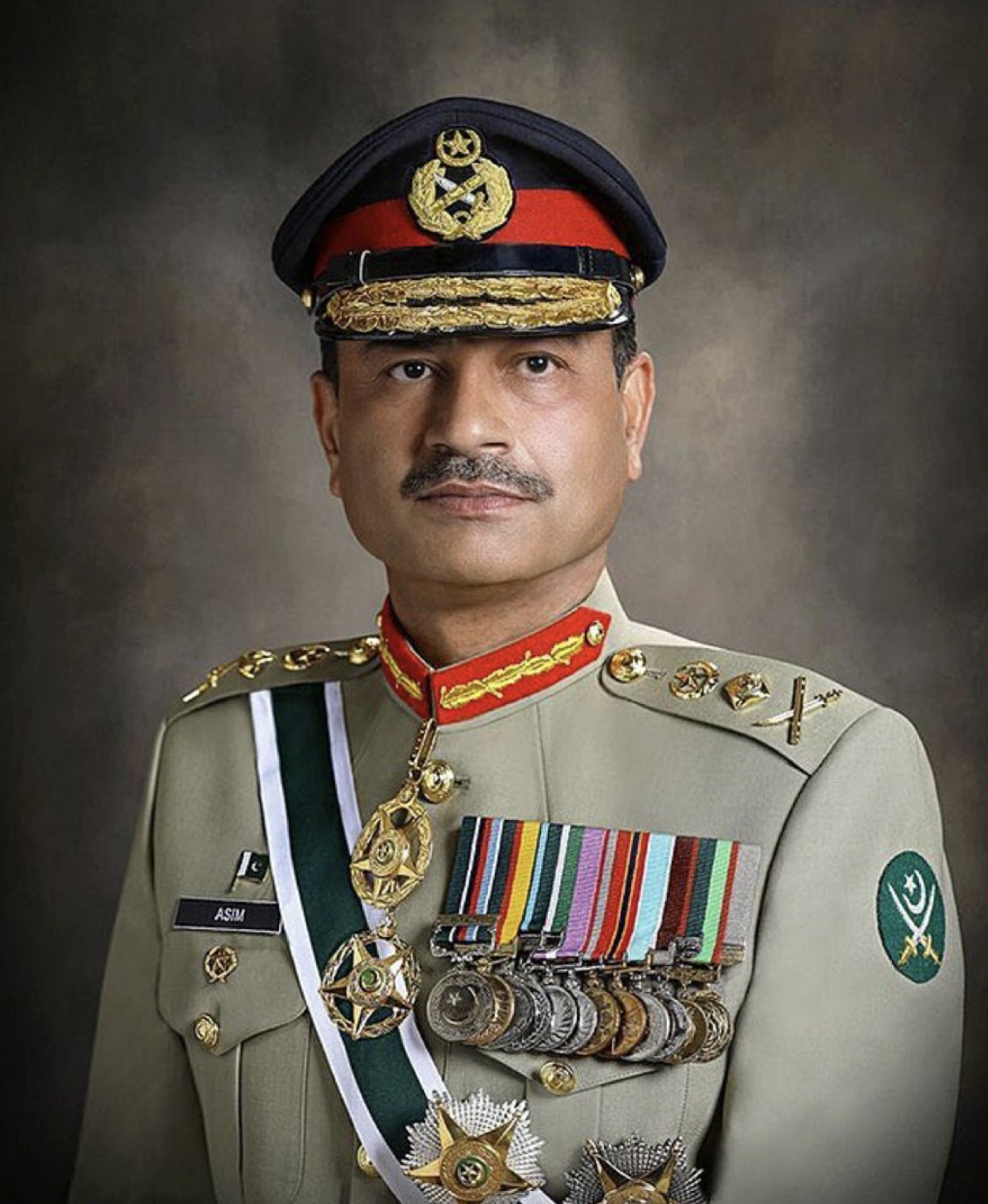
Washington/New Delhi — In what can only be described as a mix of nuclear sabre-rattling and political theatre, Pakistan’s Chief of Army Staff, Field Marshal Syed Asim Munir, has sparked outrage in India after delivering a series of provocative remarks on American soil.
During a high-profile event in Tampa, Florida, Munir warned that Pakistan would not hesitate to unleash its nuclear arsenal if faced with an existential threat from India — going so far as to declare, “We are a nuclear nation. If we think we are going down, we’ll take half the world down with us.”
The remarks — equal parts threat, self-mockery, and diplomatic disaster — have been slammed by India’s Ministry of External Affairs (MEA) as “nuclear sabre-rattling” and a dangerous reflection of the Pakistani military’s mindset.
A Threat Wrapped in Self-Deprecation
In an unusual turn, Munir didn’t just threaten India; he compared Pakistan itself to a “dump truck full of gravel,” while calling India a “shiny Mercedes on the highway like a Ferrari.” His analogy seemed to suggest that if the truck crashes into the Mercedes, the damage would be mutual — a metaphor critics say reveals more about Pakistan’s economic and political instability than its strategic strength.
Observers noted that the bizarre self-comparison was sandwiched between aggressive military threats, creating a surreal atmosphere for a speech delivered just miles from US Central Command headquarters.
Targeting India’s Dams — and Mukesh Ambani
Munir doubled down on threats over India’s suspension of the Indus Waters Treaty following the Pahalgam terror attack earlier this year. He vowed to destroy any dam built by India on the Indus River, declaring, “We will wait for India to build a dam, and when it does, we will destroy it with ten missiles… The Indus River is not the Indians’ family property. We have no shortage of missiles, al-Hamdulillah.”
In a particularly personal jab, he referenced a previous Pakistani Army social media post showing industrialist Mukesh Ambani alongside a Quranic verse from Surah Fil — implying Pakistan would “do the same” to India’s most prized economic assets in a future conflict.
Kashmir: The ‘Jugular Vein’ Rhetoric Returns
Predictably, Munir revived Pakistan’s decades-old description of Kashmir as its “jugular vein,” dismissing India’s position that the issue is internal. He labelled Kashmir an “unresolved international agenda,” echoing Islamabad’s familiar talking points and disregarding repeated Indian rejections of third-party mediation.
The US Connection — and Trump’s Name in the Mix
This was Munir’s second visit to the United States in just two months, coming after a June trip that included an unprecedented White House luncheon with former US President Donald Trump. At that earlier meeting, Munir reportedly suggested Trump deserved a Nobel Prize for his “peace-making efforts” — a comment some analysts interpret as flattery aimed at reviving US-Pakistan warmth.
Indian strategic experts see a pattern: whenever Pakistan’s military receives a warm reception in Washington, Islamabad’s rhetoric against New Delhi tends to intensify. Some in Delhi have even speculated — half-jokingly, half-seriously — that Munir’s political ambitions might extend to Pakistan’s presidency.
India’s Sharp Rebuttal
India’s Ministry of External Affairs minced no words. Official spokesperson Randhir Jaiswal said:
“Nuclear sabre-rattling is Pakistan’s stock-in-trade. These remarks only reinforce global doubts about the integrity of nuclear command and control in a state where the military works hand-in-glove with terrorist groups. India will not give in to nuclear blackmail and will take all steps necessary to safeguard national security.”
Indian officials also noted the irony of such statements being made “from the soil of a friendly third country,” a thinly veiled criticism of the United States for hosting the event.
Comedy or Crisis? The World Reacts
Internationally, the speech has raised eyebrows not only for its dangerous implications but also for its almost theatrical delivery — a mix of Quranic allegories, vehicle metaphors, and open boasts about missile stockpiles. Some foreign policy analysts are calling it a “strategic comedy” — except, as one European diplomat put it, “this comedy comes with nuclear warheads.”
The timing was also symbolic — the comments came just as the world marked the 80th anniversary of the US atomic bombing of Nagasaki, a date usually associated with nuclear disarmament, not fresh nuclear threats.
The Bigger Picture: US-Pakistan-India Triangle
Munir’s rhetoric underlines the fragile state of South Asian security, particularly when Pakistani military leaders court US favour while escalating tensions with India. For Washington, the optics are delicate: open camaraderie with Pakistan’s top general risks sending the wrong signal to New Delhi — especially at a time when US-India relations are already strained over trade disputes and Donald Trump’s renewed political ambitions.
Whether Munir’s remarks were genuine strategic posturing or a bid for domestic political clout, they have achieved one thing: pushing Pakistan, India, and the United States into a new round of awkward, high-stakes diplomacy — one where humour and hostility collide.