Vishal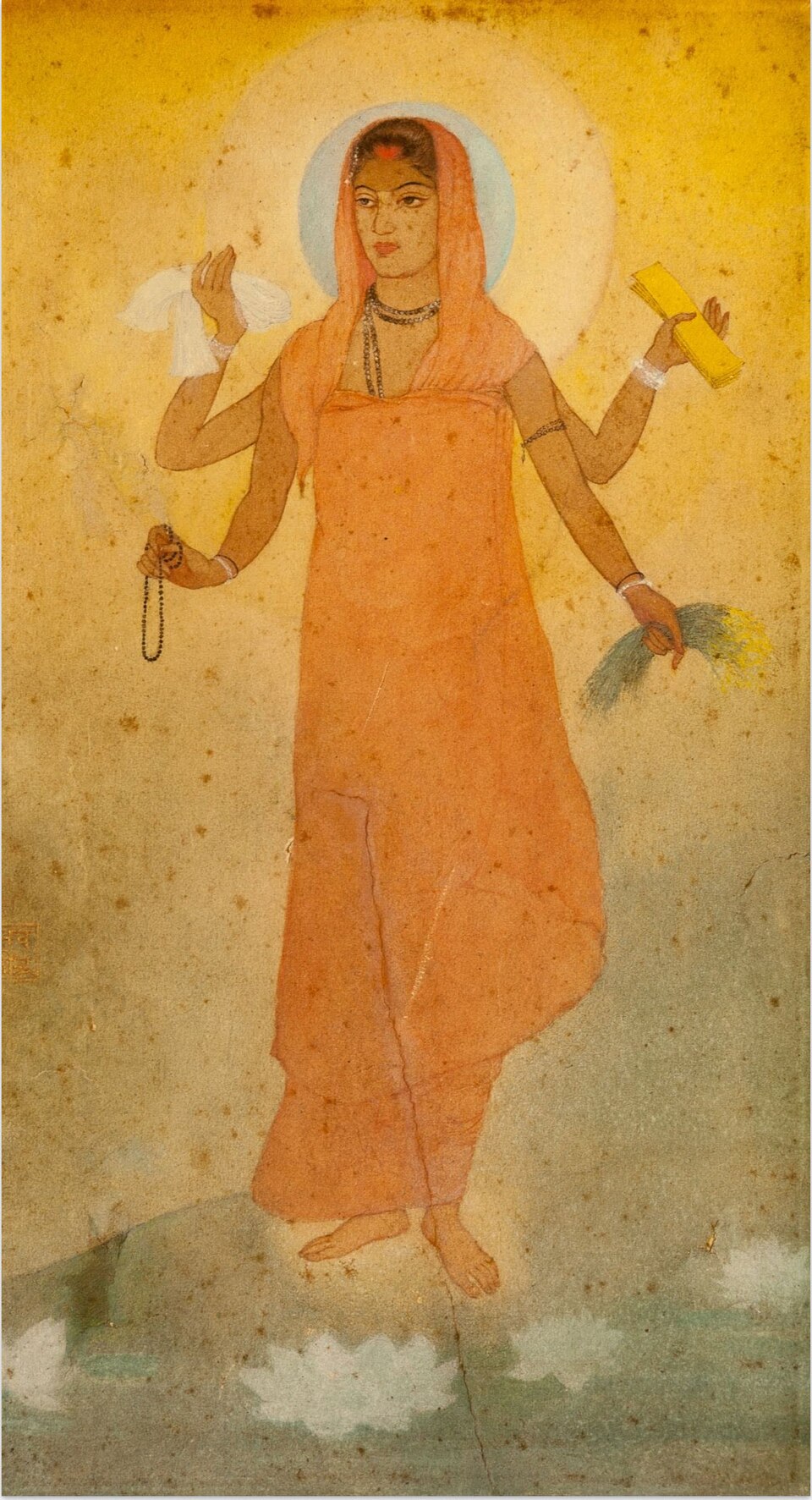
One of the most powerful and unique aspects of The Bengal Files lies in the way the character of Bharti has been portrayed.
Some viewers may question how Bharti appears everywhere whether it is in the scenes of mass killings of Hindus, the cultural destruction of Bengal, or the burning of Maa Durga’s idol.
Even in the present day, we see Pallavi Joshi embodying Maa Bharti, who, if seen literally, would be a 100+ year-old woman still standing amidst all the tragedies.
At first glance, this might seem unrealistic.
How can one person be present in all places, across different timelines, and still carry the same presence? But that is precisely the brilliance of director Vivek Ranjan Agnihotri’s vision.
The film does not present Bharti as a mere individual; she is the living spirit of Bharat Mata herself the soul of the civilization, the mother watching over her children.
By placing Bharti in every scene of horror, humiliation, and destruction, the director symbolically shows us that Maa Bharti has been silently witnessing the pain of her children for generations.
Every killing, every cultural assault, every attempt to erase Bengal’s identity all of it happens before the eyes of Bharat Mata.

In today’s time, the aged Bharti represents a wounded, yet resilient, Bharat Mata who still carries the burden of centuries of suffering.
Her presence across timelines is not about realism, but about symbolism a visual reminder that the pain of Hindus, the burning of culture, and the attack on dharma are all experienced directly by the mother of this land.
This artistic choice is where the genius of the film lies.
Rather than using heavy dialogues or overt explanations, Agnihotri chooses a deeply poetic, almost spiritual narrative device: letting Bharat Mata herself be the silent witness to Bengal’s horrors.
It makes the audience feel not just history, but also the living grief of our civilization.
Such storytelling requires not only cinematic courage but also years of research and philosophical depth.
The film thus becomes more than a political statement it becomes a cultural reckoning, a reminder that the wounds of history are not just statistics but scars on the very soul of Bharat Mata.
In The Bengal Files, Bharti is not bound by time or geography. She is eternal, ever-present, ever-suffering, yet still standing.
And through her presence, the director reminds us: whenever dharma is attacked, Maa Bharti is there, watching waiting for her children to awaken.
Read Also: