Vishal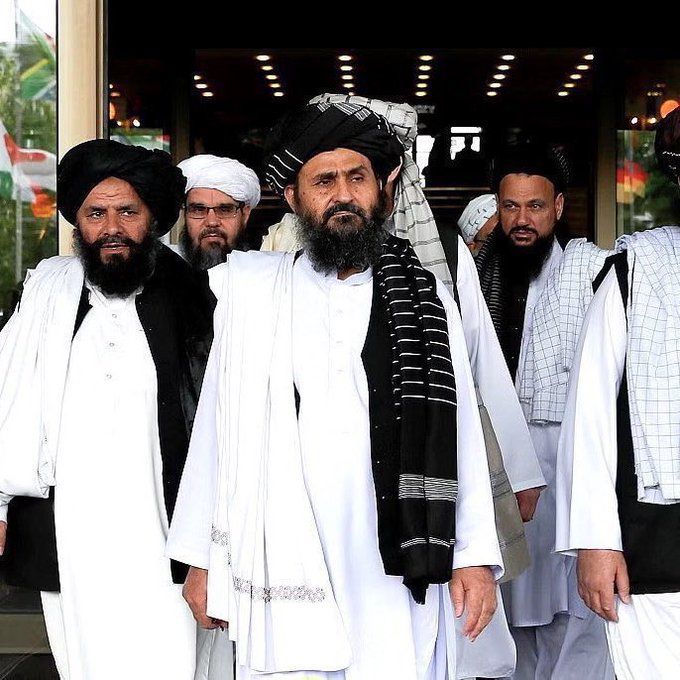
Taliban and Pakistan Exchange Heavy Fire Along Border
Tensions between Afghanistan’s Taliban government and Pakistan have erupted into open conflict along their shared border, with heavy gunfire, artillery exchanges, and drone incidents reported on Saturday, October 12, 2025.
According to Taliban officials from Kunar, Nangarhar, Paktia, Khost, and Helmand provinces, armed units engaged Pakistani positions “in retaliation” for airstrikes allegedly conducted by Islamabad inside Afghan territory earlier in the week. The Taliban described the clashes as a “measured response” to what they called “repeated violations of Afghan sovereignty.”
Airstrikes and Explosions Sparked the Conflict
The confrontation follows a series of explosions in Kabul and Paktika on Thursday. The Taliban’s Ministry of Defence publicly accused Pakistan of carrying out those attacks, marking one of the strongest statements yet from Kabul against Islamabad since the group’s return to power in 2021.
Pakistan, however, has neither confirmed nor denied its involvement. Officials in Islamabad insist that the Taliban continues to harbour members of the Tehreek-e-Taliban Pakistan (TTP) — a banned militant organization responsible for numerous attacks on Pakistani soldiers.
Pakistan’s army spokesperson, Ahmad Sharif, stated that “Afghanistan is being used as a base of operations against Pakistan,” adding that necessary measures would continue to protect national security.
Pakistan Responds with Heavy Artillery and Drone Defence
Pakistani sources in Khyber Pakhtunkhwa province told AFP that their forces “first used light weapons and later heavy artillery at four points along the border.”
They also claimed to have shot down three Afghan drones (quadcopters) allegedly loaded with explosives. Although no official casualties have been reported from either side, intense firing and shelling were ongoing across several sectors as of late Saturday evening.
The TTP Factor and a Widening Rift
The TTP (Tehreek-e-Taliban Pakistan), which shares ideological ties with the Afghan Taliban, remains the primary cause of Pakistan’s security concerns. According to data from the Armed Conflict Location & Event Data (ACLED) project, TTP militants carried out more than 600 attacks against Pakistani security forces in the past year alone.
Islamabad accuses the Taliban of providing safe havens to TTP leaders within Afghan territory — a claim the Taliban government repeatedly denies. Analysts say the issue has turned into a major diplomatic flashpoint between the two neighbours.
Security analyst Tameem Bahiss, based in Kabul, noted that previous Pakistani airstrikes “yielded no concrete results, only deepened mistrust, and made cooperation on counterterrorism more difficult.”
Diplomatic Fallout and India’s Role
Interestingly, the border clashes come just days after Afghan Foreign Minister Amir Khan Muttaqi arrived in India for a six-day visit — the first official Taliban delegation to New Delhi since the group’s 2021 takeover.
Observers believe that Islamabad views Kabul’s outreach to India with suspicion, fearing a realignment of regional alliances that could weaken Pakistan’s influence in Afghanistan.
If the violence continues, experts warn, it could drag other regional powers — including China and India — into a broader diplomatic confrontation over South Asia’s security architecture.
Growing Humanitarian and Refugee Concerns
The renewed border violence also risks worsening the humanitarian crisis for millions of Afghan refugees living in Pakistan. Since late 2023, Islamabad has expelled nearly one million Afghans as part of its repatriation campaign, citing national security threats.
Aid groups fear that new hostilities could displace thousands more civilians, further straining humanitarian resources in both countries.
Analysts Warn of Dangerous Escalation
Experts caution that any further escalation could prove disastrous. Ihsanullah Tipu Mehsud, an Islamabad-based security analyst, said the Taliban may interpret Pakistan’s strikes as “a warning message” but added that such actions risk provoking retaliatory attacks inside Pakistan.
“If Pakistan continues to expand its operations inside Afghanistan, it might trigger greater sympathy for the TTP within Afghan society,” said Bahiss. “That could fuel more violence and destabilize the entire region.”
Conclusion: Fragile Peace Under Threat
As gunfire continues to echo along the mountainous frontier, relations between Kabul and Islamabad appear to be at one of their lowest points in years.
The Taliban’s growing defiance, Pakistan’s military assertiveness, and the unresolved TTP insurgency together paint a grim picture for South Asia’s stability.
Whether this is a short-lived confrontation or the beginning of a larger conflict depends on how both governments choose to act in the coming days.
For now, the border remains tense — and the world is watching.
Read Also:-
María Corina Machado Honoured with 2025 Nobel Peace Prize: A Tribute to Venezuela’s Struggle — and a Nod to Donald Trump