Vishal
The announcement of Namit Malhotra’s ‘Ramayana’ has sent shockwaves through the Indian film industry, setting the stage for what promises to be an unprecedented cinematic experience.
With a staggering budget of ₹835 crore, a star-studded pan-Indian cast featuring Ranbir Kapoor, Yash, Sai Pallavi, and Sunny Deol, and a visionary team led by director Nitesh Tiwari, this two-part epic is poised to become India’s most ambitious cinematic project ever.
But the real driving force behind this magnum opus is Namit Malhotra, a man whose remarkable journey—from a Mumbai garage to an eight-time Oscar-winning VFX empire—has prepared him to bring the ‘Ramayana’ to life like never before.
This isn’t just another mythological adaptation; it’s a global reimagining of India’s greatest epic, meticulously designed to captivate audiences worldwide.
Witness the IMMORTAL story of Rama vs. Ravana 🏹
Ramayana.
Our Truth. Our History.Filmed for IMAX.
From INDIA for a BETTER World.#Ramayana #RamayanaByNamitMalhotra pic.twitter.com/jKwpxhZmfx
— DNEG (@dneg) July 3, 2025
Through an early glimpse into the film’s visual identity, as seen in recently revealed stills, it’s clear that ‘Ramayana’ will blend cutting-edge visual effects, a fusion of Indian and Hollywood talent, and a deep reverence for the source material.
Malhotra’s ‘Ramayana’ is not merely a film; it’s a declaration, set to redefine how Indian stories are told on the big screen, blending traditional grandeur with modern cinematic prowess.
Who is Namit Malhotra? The Man Behind the Vision
Namit Malhotra isn’t a household name in India, but in the global film industry, he’s a true powerhouse.
Born into a film family—his father, Naresh Malhotra, was a producer, and his grandfather, MN Malhotra, was a cinematographer—Namit began his career in computer graphics.
In the late 1990s, he started Video Workshop from his father’s garage, cutting his teeth on television shows like ‘Boogie Woogie’ and ‘Gaatha’.
His big break came when he merged his burgeoning company with his father’s business to form Prime Focus, which later evolved into DNEG (Double Negative)—a Visual Effects giant that has astonishingly won eight Oscars for its groundbreaking work on films like ‘Blade Runner 2049’, ‘Dune’, and ‘Tenet’.
Now, Malhotra is channeling that unparalleled Hollywood-level expertise and technological prowess into Indian mythology, ensuring that ‘Ramayana’ isn’t just another Bollywood spectacle but a truly global cinematic event.
The very first visual impression, a grand title card for “Ramayana” rendered in majestic gold, emerging from a cosmic, intricately designed backdrop, sets the tone for a film that aims for the heavens.
This commitment to visual splendor is further reinforced by the presence of Prime Focus Studios prominently in the credits, signifying their central role in crafting this visual masterpiece.
How Namit Malhotra is Changing ‘Ramayana’ for the Better
1. Hollywood-Level Visual Effects & Grand Scale
Most Indian mythological films have historically struggled with inconsistent CGI and unconvincing backdrops, often failing to do justice to the epic narratives they portray.
But with DNEG’s Oscar-winning VFX team behind it, ‘Ramayana’ promises breathtaking visuals that will transport audiences directly into the epic.
We’ve already been offered a glimpse into this visual philosophy: a close-up of a massive, golden ‘Om’ symbol, not merely decorative, but meticulously carved with miniature, dynamic vignettes that appear to depict scenes from the Ramayana itself.
This intricate detail, set against a dark, textured background, suggests that the film will not just use VFX for spectacle but to imbue every frame with deep cultural and spiritual significance.
The promise extends from the gleaming, golden city of Lanka to the mystical, verdant forests of Dandakaranya, all rendered with an authenticity and grandeur rarely seen in Indian cinema.
Malhotra has also meticulously roped in industry titans like Ravi Bansal (‘Dune: Part Two’) and Ramsey Avery (‘Captain America’) for production design, ensuring that every frame feels not just authentic, but monumentally grand.
The recurring motif of ornate golden carvings, depicting serene deities and dynamic warrior figures, further underscores the film’s commitment to a rich, visually dense aesthetic that pays homage to ancient Indian art and mythology.
2. A Stellar Cast That Bridges Industries
Breaking away from traditional industry confines, Malhotra has assembled a pan-Indian constellation of talent, ensuring the film’s appeal resonates across diverse linguistic and cinematic landscapes:
- Ranbir Kapoor as Lord Ram: Early visual cues, such as a youthful figure swinging agilely through lush green forests and a powerful close-up of an archer with a golden ring, strongly suggest Ranbir Kapoor’s portrayal will embody both the divine grace and the formidable warrior aspect of Lord Ram. The archer shot, focusing on the intense concentration and the taut bowstring, immediately establishes Ram as the unparalleled strategist and wielder of the Gandiva, a central pillar of his character.
- Yash (KGF fame) as Ravana: The most intriguing visual snippet for the antagonist is a shadowy, cloaked figure, with only one piercing, intense eye visible in the darkness. This deliberately mysterious and menacing introduction perfectly sets the stage for Yash’s portrayal of Ravana, hinting at his enigmatic power, his formidable presence, and the lurking darkness that defines him. It’s a masterful stroke of visual characterization that builds anticipation for the Demon King’s full reveal.
- Sai Pallavi as Sita: While no direct visual of Sai Pallavi is yet available, her casting promises a portrayal of Sita that is both graceful and strong, a beloved figure central to the epic.
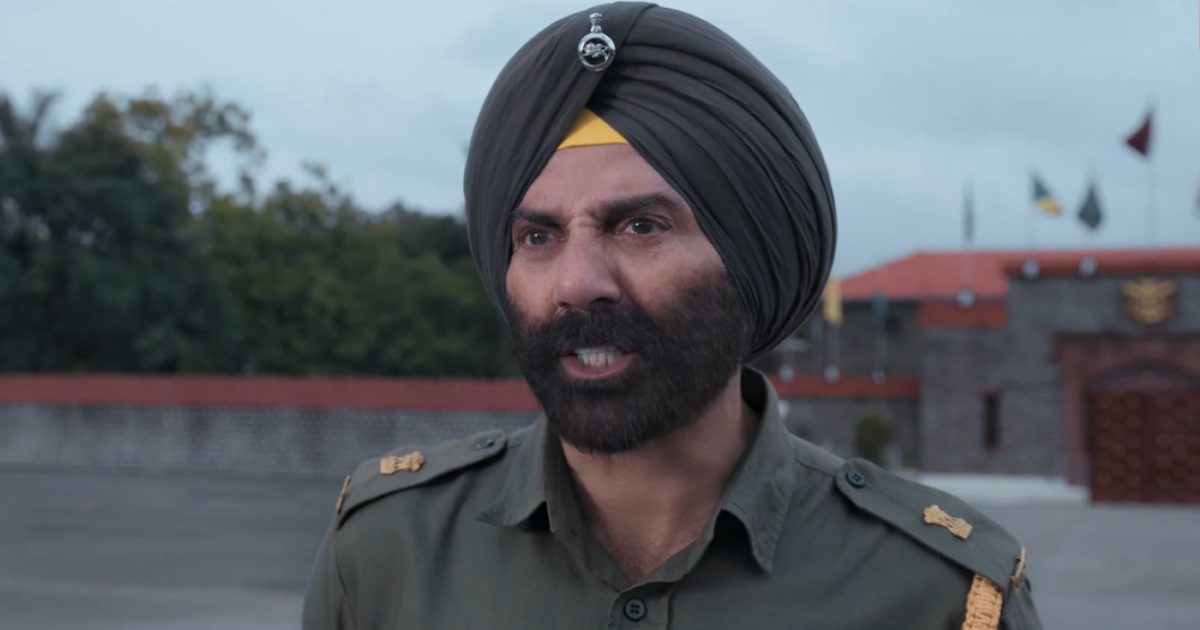
- Sunny Deol as Hanuman: The powerhouse Sunny Deol as Hanuman is a casting coup, promising a portrayal that encapsulates the strength, devotion, and unwavering loyalty of the Vanara warrior.
- Kajal Aggarwal as Mandodari: Her presence adds depth to the character of Ravana’s queen, a woman of grace and wisdom.
This multi-industry approach ensures that the film appeals to audiences across India and beyond, leveraging the star power and distinct fan bases of each actor.
3. A Global Soundtrack by Hans Zimmer & AR Rahman
In a historic collaboration, Oscar-winning composer Hans Zimmer (‘The Lion King’, ‘Interstellar’) is joining forces with India’s own AR Rahman (‘Slumdog Millionaire’) for the film’s score.
This unprecedented fusion of Western orchestration and Indian classical music promises to create a soundtrack that is not only universally appealing but also deeply resonant, elevating the emotional and epic scale of the narrative.
4. Action Choreography by Hollywood Veterans
The highly anticipated battle sequences will be helmed by Hollywood veterans Terry Notary (‘Planet of the Apes’, ‘Avengers’) and Guy Norris (‘Mad Max: Fury Road’).
Their involvement ensures that the monumental war between Ram and Ravana feels not just epic, but viscerally impactful and authentically choreographed.
The golden warrior figure, depicted in a dynamic combat pose within the film’s title sequence, serves as a powerful visual promise of the high-octane action and heroism that will unfold.
5. A Two-Part Saga with Cinematic Universe Potential
Unlike most previous adaptations, Malhotra’s ‘Ramayana’ is strategically structured as a two-part film, with the first installment slated for release in Diwali 2026 and the second in 2027.
This allows for a deeper, more comprehensive exploration of the sprawling narrative. Furthermore, there are tantalizing hints of a larger mythological universe in the making, possibly including spin-offs on ‘Mahabharata’ or other revered Indian epics, positioning ‘Ramayana’ as the cornerstone of a grander storytelling ambition.
Why This ‘Ramayana’ Could Be a Game-Changer for Indian Cinema
- Global Appeal – By seamlessly blending the profound depth of Indian storytelling with the unparalleled sophistication of Hollywood production values, Malhotra is strategically positioning ‘Ramayana’ as a global franchise, akin to the worldwide phenomena of ‘Lord of the Rings’ or ‘Avatar’.
- Cultural Pride – This is more than just a film; it’s poised to become a cultural movement, reintroducing the world to India’s greatest epic with a scale and vision it deserves, fostering immense national pride.
- Technological Benchmark – The film is set to establish a new gold standard for VFX and grand-scale production in Indian cinema, inspiring and challenging future filmmakers to push creative and technological boundaries.
A New Era for Indian Mythological Films
Namit Malhotra’s ‘Ramayana’ isn’t just another retelling—it’s a profound reinvention. With world-class VFX, a stellar pan-Indian cast, and a truly global vision, this could very well be the film that finally places Indian mythology prominently and powerfully on the world stage.
The early visual glimpses, with their blend of intricate cultural motifs and high-production value, promise a feast for the senses and a treat for the soul.
As Malhotra himself succinctly puts it: “This is not just a movie; it’s our truth, our legacy. And now, it will be our gift to the world.”
The journey begins in Diwali 2026. The world will undoubtedly be watching.
Read Also:-