Vishal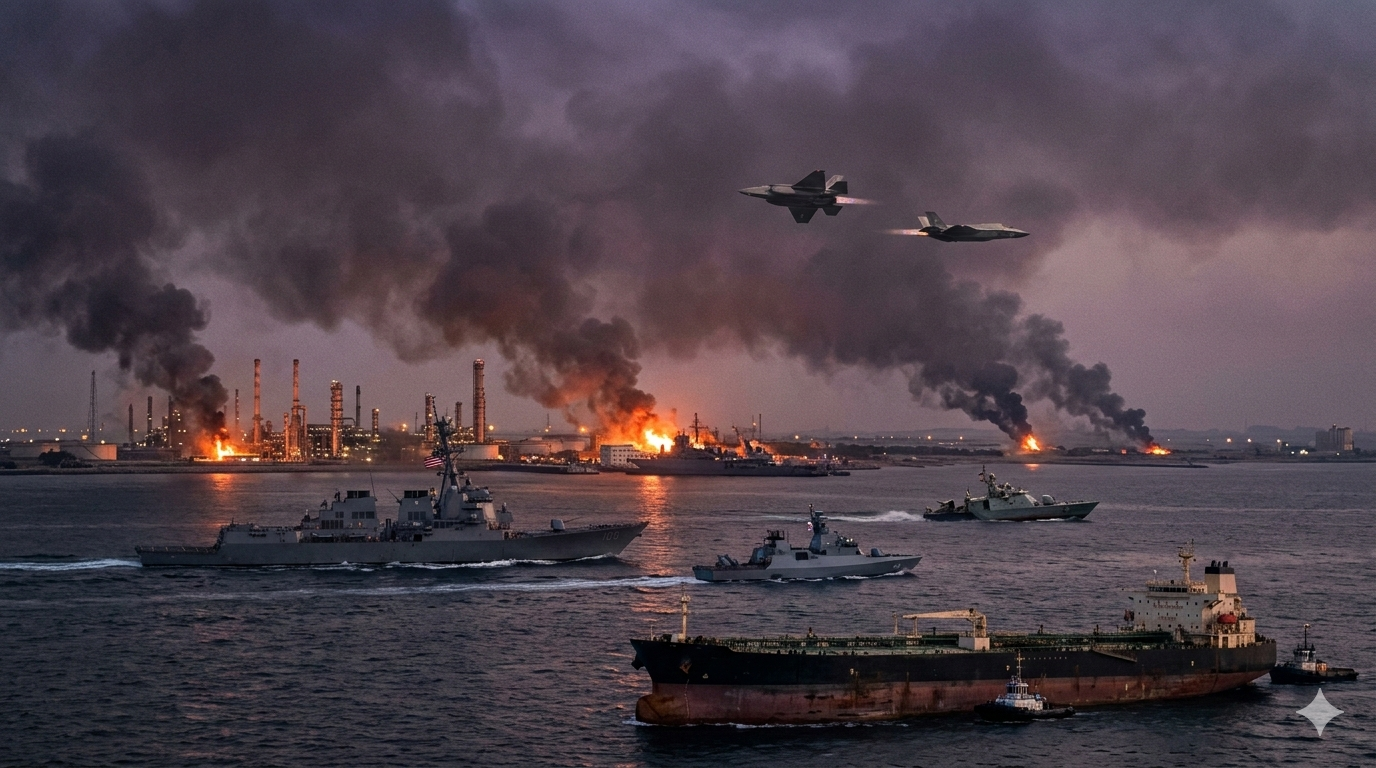
Iran–USA–Israel War 2026: A Regional Escalation with Global Consequences
The Middle East has entered a period of unprecedented volatility following the outbreak of the Iran–USA–Israel war 2026. What began as a series of targeted strikes has rapidly evolved into a multi-front conflict involving major world powers and regional proxies. On February 28, 2026, a joint US-Israeli military operation, codenamed Operation Epic Fury, was launched against Iranian nuclear and ballistic missile infrastructure.
The conflict has since seen the death of Iran’s Supreme Leader, Ayatollah Ali Khamenei, the effective closure of the Strait of Hormuz, and a massive wave of Iran retaliation strikes across the Persian Gulf. As the world watches the “fifth day” of active hostilities, the geopolitical landscape is shifting, with oil prices skyrocketing and global supply chains facing their most severe test since the early 2020s.
Background of the Iran–Israel–US Tensions
The roots of the 2026 conflict lie in the total collapse of diplomatic efforts regarding Iran’s nuclear program. Following the failure of indirect talks in Geneva in early February 2026, tensions reached a breaking point. The United States, under the Trump administration, maintained that Iran had breached all “red lines” by accelerating uranium enrichment and expanding its long-range missile capabilities.
Simultaneously, Israel’s long-standing policy of “The War Between Wars” escalated as it sought to permanently degrade Iran’s ability to project power through its “Axis of Resistance.” Internal instability within Iran also played a role; massive anti-government protests in early 2026 weakened the regime’s domestic legitimacy, leading some Western analysts to believe the Islamic Republic was at its most vulnerable state in decades.
How the 2026 Middle East War Started
The spark for the Middle East war 2026 was the breakdown of the Geneva negotiations on February 26. Just 48 hours later, on February 28, 2026, the United States and Israel launched a massive, coordinated aerial and naval campaign. President Donald Trump justified the action as a preemptive necessity to prevent an “intolerable threat” to American and Israeli national security.
The initial wave of attacks targeted more than 1,000 sites, focusing on:
-
Nuclear enrichment facilities in Natanz, Fordow, and Isfahan.
-
Ballistic missile production complexes, such as the Khojir facility near Tehran.
-
Internal security headquarters and Basij regional bases.
Key Military Operations and the US-Israel Attack on Iran
The US-Israel attack on Iran has been characterized by high-precision strikes and the first significant use of advanced autonomous systems in regional suppression.
-
Operation Epic Fury: This joint campaign utilized F-35 stealth fighters and B-21 bombers to bypass Iran’s S-300 and S-400 air defense systems.
-
Naval Engagement: The US Navy reported sinking over 20 Iranian ships in the first 96 hours. A US submarine notably sank the Iranian frigate IRIS Dena off the coast of Sri Lanka.
-
Decapitation Strikes: Reports from early March confirmed the death of Supreme Leader Ali Khamenei during the initial bombardment of Tehran, leaving a massive power vacuum within the Iranian leadership.
Iran’s Retaliation and Regional Escalation
Tehran’s response was swift and geographically broad. Under the banner of “Sacred Defense,” the IRGC launched hundreds of Iran retaliation strikes targeting not only Israel but also US military assets and civilian infrastructure in neighboring Arab states.
-
Missile Barrages: Iran fired thousands of ballistic missiles and “Shahed” drones at Israeli cities and US bases in Qatar (Al Udeid), Bahrain, and the UAE.
-
The “Axis” Response: Hezbollah in Lebanon and Houthi rebels in Yemen resumed intense rocket and drone attacks, effectively opening a northern and southern front against Israel.
-
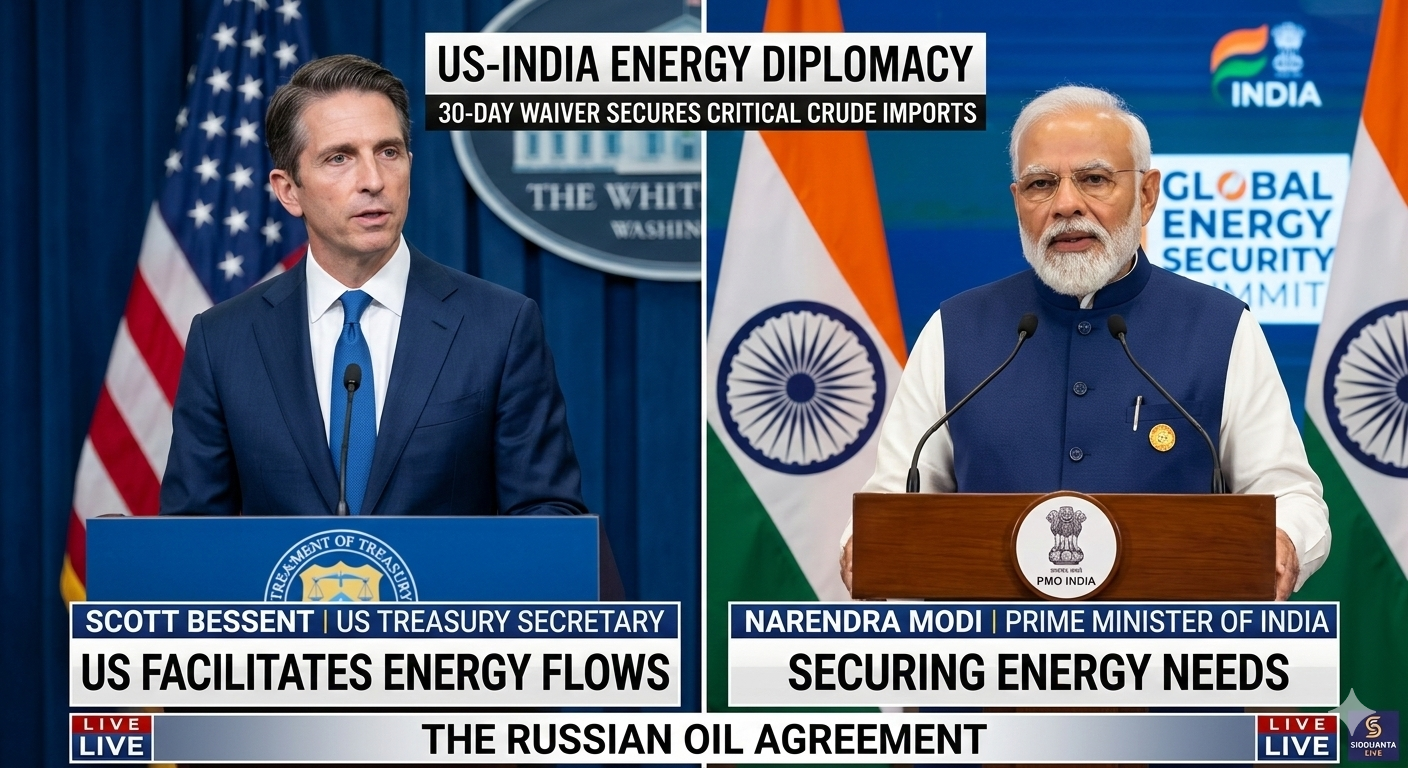
The Strait of Hormuz Closure: On March 2, the IRGC effectively halted shipping through the Strait of Hormuz, declaring it a high-risk combat zone. This move aimed to leverage the global economy as a bargaining chip to force a ceasefire.
Economic Impact: Oil, Markets, and Shipping
The global impact of the Iran war has been felt most acutely in the financial and energy sectors.
The Energy Crisis
With the Strait of Hormuz handling nearly 20% of the world’s daily oil supply and 20% of global LNG, its closure triggered an immediate shock. Brent crude prices jumped from roughly $65 in early February to well over $100 per barrel within days. Analysts at Goldman Sachs and Oxford Economics warn that a prolonged closure could push prices toward $150, threatening a global recession.
Shipping and Logistics
Major shipping giants like Maersk and Hapag-Lloyd have suspended transits through the Persian Gulf and the Red Sea. Vessels are now being rerouted around Africa’s Cape of Good Hope, adding 15 days to Asia-Europe transit times and causing shipping costs to triple.
| Economic Indicator | Impact (as of March 5, 2026) |
| Brent Crude Oil | Exceeded $110/barrel |
| Global Equity Markets | Estimated $3.2 trillion loss in value |
| Shipping Costs | 300% increase on Asia-Gulf routes |
| Gold Prices | Record highs as investors seek safety |
International Reactions: A Divided World
The Iran USA Israel conflict has forced world powers into opposing camps:
-
United States & Allies: Canada and Australia have expressed open support. European nations (UK, France, Germany) have condemned Iran’s retaliation while urging the US to return to the negotiating table.
-
Russia & China: Both nations have condemned the strikes as “unprovoked aggression.” China, which relies on Iran for 90% of its oil imports, is under immense economic pressure. Russia has used the conflict to promote a “multipolar” world narrative, though it has refrained from direct military involvement.
-
The United Nations: Secretary-General António Guterres has warned the region is “on the brink” and called for an immediate cessation of hostilities to prevent a humanitarian catastrophe.
Possible Future Scenarios
As of March 2026, the conflict remains in a state of high-intensity attrition. Geopolitical experts suggest three primary paths:
-
Regime Collapse: The loss of the Supreme Leader and the destruction of security infrastructure could lead to a domestic uprising and the total collapse of the Islamic Republic.
-
Protracted Regional War: If Iran’s proxies (Hezbollah, Houthis) sustain their attacks, the war could evolve into a multi-year conflict that draws in neighboring Arab states like Saudi Arabia.
-
De-escalation via Mediation: Oman and Qatar continue to seek a diplomatic “off-ramp,” though the US administration’s current focus remains on “maximum pressure.”
Conclusion
The Iran–USA–Israel war 2026 represents the most significant shift in Middle Eastern security in half a century. While the US and Israel have successfully degraded much of Iran’s military hardware, the resulting economic chaos and regional instability have created a global crisis. The coming weeks will determine whether this conflict leads to a “New Middle East” or a decade of global economic stagnation and fragmented security.
Read also:

IAEA official reports on Iranian nuclear site damage.

Real-time oil price tracking and market volatility reports.

United Nations Security Council emergency session transcripts.