Vishal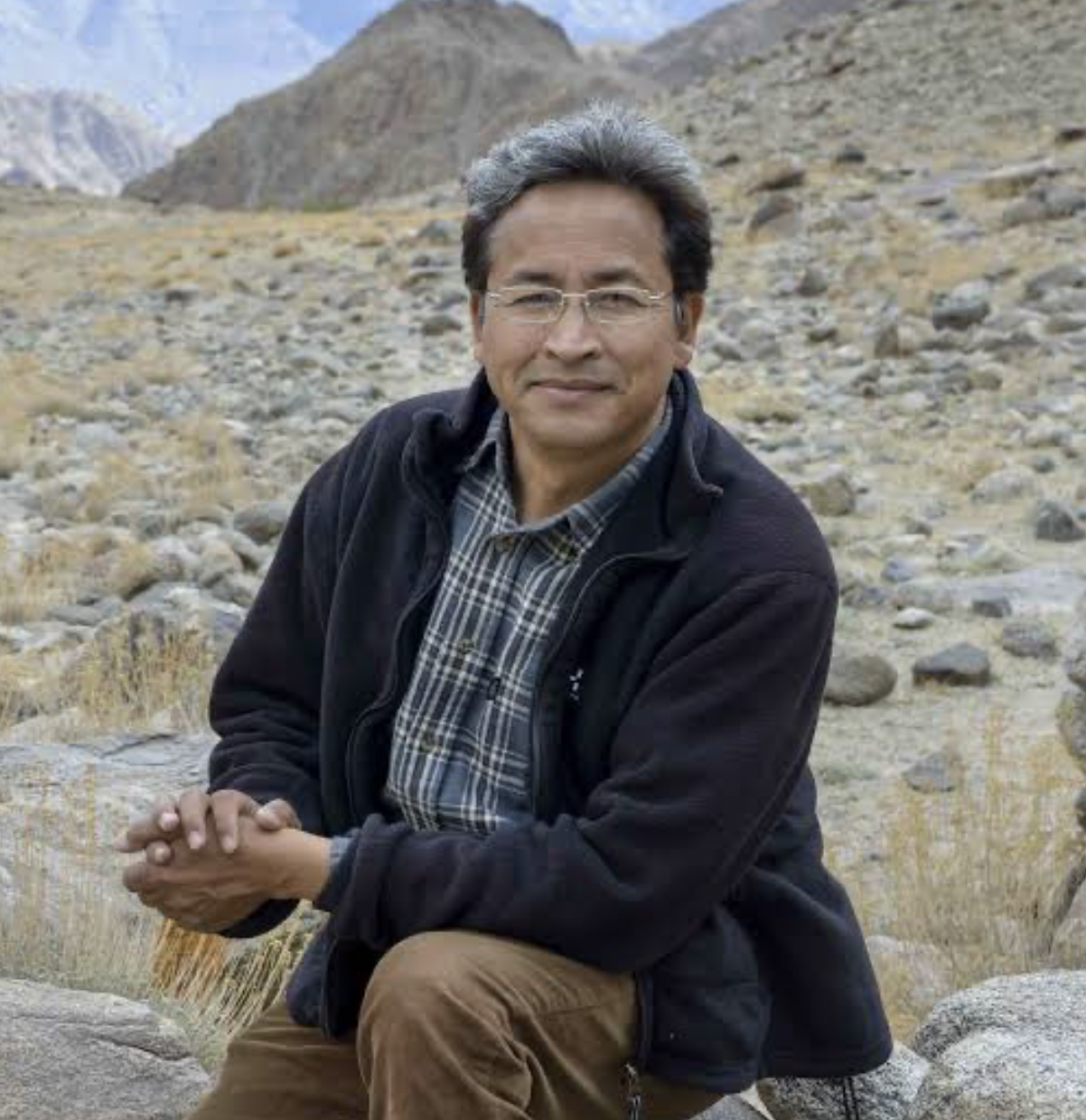
Sonam Wangchuk Detained Under NSA Amid Ladakh Protests
Climate activist and educationist Sonam Wangchuk was detained under the National Security Act (NSA) and transferred to Jodhpur Central Jail following violent protests in Leh, Ladakh, on September 24, 2025.
The unrest, which erupted during demonstrations for statehood and inclusion of Ladakh under the Sixth Schedule, tragically led to the death of four civilians and injuries to over 140 people.
Government Cites Security Concerns
The Ladakh administration and DGP SD Singh Jamwal emphasized that the detention of Sonam Wangchuk was based on concerns over maintaining public order and regional security. Officials stated that Wangchuk’s speeches, public statements, and activist activities were considered “prejudicial” to peace in the Union Territory.
Authorities highlighted that his references to movements such as the Arab Spring, recent youth-led protests in Nepal, and his participation in international forums—including events in Pakistan and Bangladesh—had the potential to influence and mobilize local populations in ways that could escalate unrest.
In addition, officials noted the arrest of a Pakistani intelligence operative allegedly linked to Wangchuk, suggesting possible communication that could have contributed to tensions in Leh.
The government claims that certain statements and actions by Wangchuk may have inadvertently or intentionally encouraged large gatherings, which later escalated into violent protests.
These protests resulted in the torch burning of government vehicles, damage to public property, and attacks on local offices, heightening concerns about law and order in the region.
Authorities stressed that these measures were necessary to prevent further incidents of violence and restore stability in Leh. They also pointed out that the timing of the unrest coincided with ongoing discussions regarding Ladakh’s statehood and constitutional safeguards under the Sixth Schedule, making it critical to maintain control and prevent further disruptions to the peace and security of the Union Territory.
Detention and Legal Framework
The National Security Act (NSA) provides the government with broad powers to detain individuals without trial for extended periods if they are deemed to pose a threat to national security or have the potential to disrupt public order.
Under this law, authorities can hold a person in preventive detention for up to one year, with limited legal recourse during the period of detention.
The NSA is often invoked in situations where authorities consider there is a risk of unrest or acts that may compromise safety and stability, particularly in sensitive regions such as Ladakh.
In the case of Sonam Wangchuk, authorities detained him before he could deliver a scheduled speech advocating for Ladakh’s statehood and emphasizing the protection of tribal rights under the Sixth Schedule of the Constitution.
The government stated that the preventive detention was necessary to avoid any potential escalation of violence, as the region had already witnessed large-scale protests that led to the death of civilians and damage to public property.
Following Wangchuk’s detention, the administration implemented curfew measures in Leh to ensure public safety and prevent further unrest.
These measures were initially strict but were later relaxed in a phased and staggered manner to allow residents limited mobility while maintaining law and order.
Authorities explained that such actions were essential to balance the restoration of normalcy with the need to limit disruption to daily life in the Union Territory.
Officials emphasized that preventive detention under the NSA is not intended as a punitive measure but rather as a temporary safeguard to protect public peace and security.
The government also highlighted that such steps are particularly important in regions with ongoing political agitation or where large gatherings may quickly turn volatile, as seen during the recent protests in Leh.
Public and Family Response
The detention of Sonam Wangchuk has sparked significant concern among his family members, civil society groups, and local residents of Ladakh. Wangchuk’s wife, Gitanjali Angmo, expressed deep worry over the lack of information regarding her husband’s custody.
She revealed that she had not received a formal copy of the detention order, which is a critical legal document outlining the reasons and legal justification for his preventive detention under the National Security Act (NSA).
Additionally, she reported that all attempts to contact Wangchuk directly had been unsuccessful, leaving the family uncertain about his well-being and the conditions of his detention in Jodhpur Central Jail.
Angmo also stated that if authorities do not provide clarity within a day, she intends to approach the courts to ensure proper legal oversight and safeguard her husband’s rights.
Civil society organizations and community leaders in Ladakh have also voiced concerns about the transparency of the government’s actions.
Many have questioned the sequence of events that led to the violent protests and the decision to invoke the NSA, calling for a judicial inquiry into both the deaths and the handling of the situation.
They emphasized that preventive detention, while legally permitted under the NSA, must be accompanied by transparency and accountability, especially when it involves high-profile activists advocating for constitutional rights and regional interests.
Local residents and youth leaders have further expressed apprehension about the potential impact of Wangchuk’s detention on ongoing discussions regarding Ladakh’s statehood and tribal protections under the Sixth Schedule of the Constitution.
Several community members highlighted that Wangchuk’s activism has long been peaceful, focusing on environmental conservation, education, and tribal rights, and argued that his preventive detention raises questions about the balance between public security and civil liberties.
The broader public response reflects a growing call for due process and adherence to legal safeguards, ensuring that the exercise of preventive detention under the NSA does not undermine democratic principles.
Leaders have urged the government to maintain open communication with Wangchuk’s family and local representatives, underscoring the need for judicial scrutiny to preserve trust and accountability in the administration of law in sensitive regions like Ladakh.
Background and Context
Sonam Wangchuk is a renowned climate activist, educationist, and engineer who has played a prominent role in advocating for the rights and development of Ladakh’s local communities.
Over the years, he has been a vocal proponent of granting Ladakh statehood and constitutional recognition under the Sixth Schedule, which is designed to safeguard the interests, land rights, and cultural identity of tribal populations in India. Wangchuk’s work has encompassed environmental conservation, educational reforms, and the promotion of sustainable development in the Union Territory, making him a respected figure both nationally and internationally.
The recent unrest in Leh, Ladakh, emerged against the backdrop of long-standing demands for stronger constitutional protections and recognition of tribal rights.
Protests and hunger strikes, including Wangchuk’s own, aimed to highlight the need for legal safeguards to ensure that the local population could participate fully in governance and preserve its cultural heritage.
Authorities, however, viewed some of Wangchuk’s speeches, videos, and public statements as “provocative,” citing concerns that they could incite unrest or disrupt public order in a region already sensitive due to political agitation.
The government specifically highlighted references in Wangchuk’s speeches to international movements, including the Arab Spring, and protests in Nepal and Bangladesh, suggesting that such examples could influence local youth and escalate tensions.
Officials argued that these references, combined with Wangchuk’s participation in events outside India, necessitated preventive action under the National Security Act (NSA) to maintain stability in Leh and prevent further violent incidents.
Wangchuk’s detention has sparked widespread debates across India on the balance between national security and civil liberties.
Human rights advocates and civil society groups have raised concerns that invoking the NSA in this case could set a precedent that limits freedom of expression, particularly for activists advocating for regional rights and constitutional safeguards.
Legal experts and observers have emphasized the importance of judicial oversight to ensure that preventive detention powers are not misused and that the rights of citizens are protected, especially in politically sensitive regions like Ladakh.
At the same time, Wangchuk’s detention has drawn attention to the broader challenges faced by activists operating in areas with ongoing political movements.
Questions have been raised about transparency in government actions, the use of preventive detention for high-profile individuals, and the need for dialogue between authorities and local communities to address grievances peacefully.
The debate surrounding Wangchuk’s arrest highlights the delicate balance the government must strike between maintaining law and order and upholding democratic freedoms, ensuring that measures taken to prevent violence do not inadvertently stifle legitimate activism and public discourse.
Read Also:-