Vishal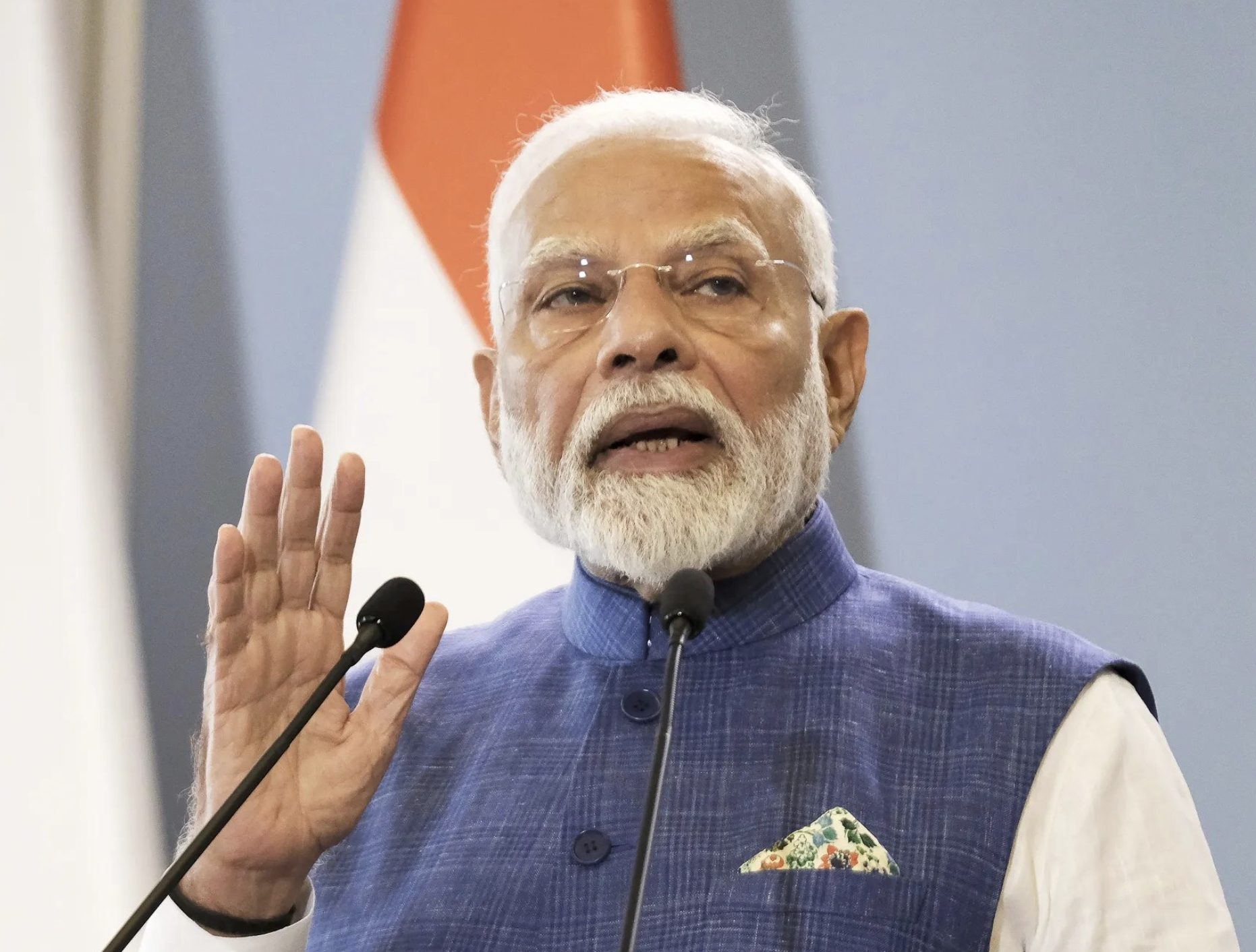
On 17 September 2025, India celebrates the 75th birthday of Prime Minister Narendra Modi, a leader whose tenure has been marked by sweeping changes, ambitious projects, and firm initiatives that have shaped India’s trajectory in the 21st century. From cultural restoration and constitutional reforms to infrastructure growth and social welfare, his leadership has been both lauded and scrutinised but it is clear that few recent leaders have had as large an imprint on the nation. Here is a detailed look at some of Modi’s most significant accomplishments, especially the Ram Mandir project and the revocation of Article 370, alongside his broader contributions.
Early Life & Political Rise
Born in Vadnagar, Gujarat, Modi’s journey from modest beginnings to the highest political office is often cited as a story of determination, discipline, and leadership. His early association with the Rashtriya Swayamsevak Sangh (RSS) helped shape his ideological foundations. Over time he rose through the ranks of the BJP, served as Chief Minister of Gujarat, and eventually became Prime Minister in 2014.
The Ram Mandir: A Symbolic & Cultural Milestone
One of Modi’s landmark achievements has been the construction and consecration of the Ram Mandir in Ayodhya, a project decades in the making and deeply resonant for many Indians.
-
After a long legal dispute over the Ram Janmabhoomi-Babri Masjid site, the Supreme Court’s verdict in 2019 paved the way for the creation of the Shri Ram Janmabhoomi Teerth Kshetra Trust and the building of the temple.
-
The foundation (Bhoomi Poojan) ceremony was held in August 2020 under Prime Minister Modi’s leadership.
-
The temple was officially inaugurated (consecration or Pran Pratishtha) on 22 January 2024, with Narendra Modi performing the rituals.
-
Beyond its religious significance, the Ram Mandir is viewed by supporters as a restoration of cultural identity, a fulfilment of a long-standing promise, and a binding factor for national unity.
Revocation of Article 370 & Reorganization of Jammu & Kashmir
Another defining decision of Modi’s administration was the abrogation of Article 370 (along with Article 35A), which granted special status to the former State of Jammu & Kashmir.
-
On 5 August 2019, the central government moved to revoke these articles, removing special constitutional provisions that limited the application of many parts of the Indian Constitution in Jammu & Kashmir.
-
Alongside this, the state was reorganised into two union territories: Jammu & Kashmir, and Ladakh. The intent, as expressed by its proponents, was to integrate the region more fully into the country, ensure equal rights, and improve governance and development.
-
This move has been hailed by supporters as fulfilling a key promise, restoring full constitutional rights, and enabling development. Critics, of course, point to challenges of implementation, security, and political dissent. Regardless, it is one of the most significant constitutional changes in recent decades.
Other Major Achievements Under Modi’s Leadership
While Ram Mandir and Article 370 are standout elements, Modi’s governance encompasses a range of other reforms and initiatives. Key among them:
-
Infrastructure & Connectivity
-
Massive expansion of highways, expressways, and roads.
-
Growth of airports, metro systems, improved rural connectivity.
-
-
Economic Reforms & Ease of Doing Business
-
Initiatives like Make in India, Production-Linked Incentive (PLI) schemes to boost manufacturing and exports.
-
Digital economy growth: UPI payments, financial inclusion through Jan Dhan, Aadhaar, mobile payments, etc. OpIndia
-
-
Social Welfare & Inclusion
-
Schemes like Pradhan Mantri Awas Yojana (housing for the poor), Swachh Bharat (sanitation), Jal Shakti (water resources), Ayushman Bharat (health coverage).
-
Emphasis on women’s empowerment: loan schemes, reservation bills, protections from practices like triple talaq. The Times of India
-
-
Cultural Revival & Heritage Projects
-
Restoration of temples and historical sites; Kashi Vishwanath Corridor is one example.
-
Emphasis on India’s ancient history, language, spirituality, and heritage as pillars of national identity. Times+1
-
-
Diplomacy & Global Standing
-
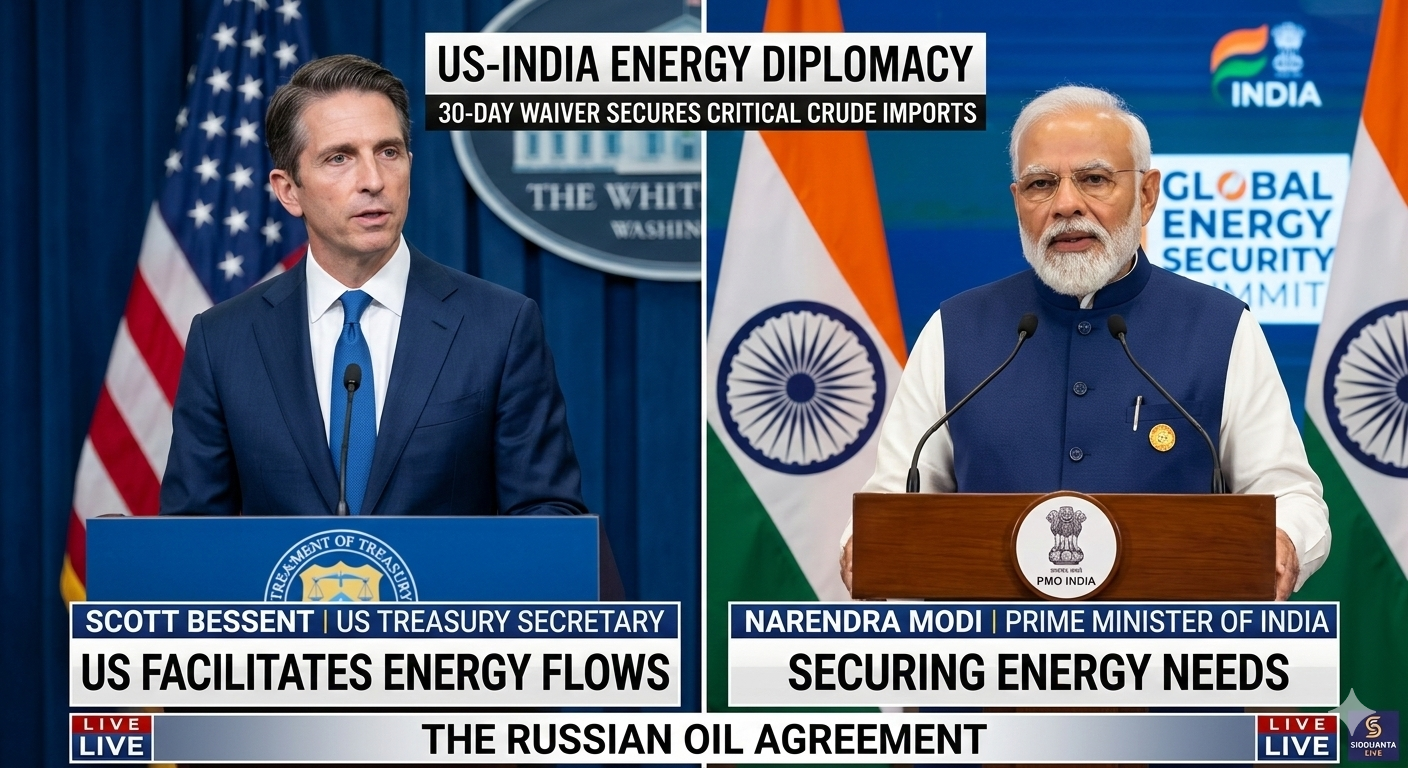
Modi’s active foreign policy has raised India’s voice on the world stage. Partnerships, trade deals, participation in global initiatives, and visibility have all increased.
-
Efforts to promote India as a technology hub, boosting science missions, space exploration, and innovation.
-
Criticisms & Challenges
To present a balanced view, it is important also to acknowledge that Modi’s government faces significant challenges and critics. Some areas often raised by opponents or analysts include:
-
Concerns over unemployment rates, particularly among youth. Surveys have pointed to job creation as an area in need of improvement.
-
Questions about minority rights, secularism, and the social harmony amid cultural and religious projects.
-
Implementation of welfare schemes, cost overruns, environmental and displacement issues associated with large infrastructure projects.
Legacy & Vision for the Future
As Modi marks 75 years, his legacy is still a work in progress. His vision for “Amrit Kaal” (a golden era), Atmanirbhar Bharat (self-reliant India), and Vikas (development) continues to drive the government’s agenda. Many of the policies are long-term, requiring sustained effort — in healthcare, education, environment, infrastructure, security, and social inclusion.
The inauguration of the Ram Mandir and restoring full constitutional status to all parts of India via Article 370’s revocation are likely to stay as key pillars of his legacy. Beyond symbolism, their impact will be measured in how they affect people’s lives over time: access to rights, economic growth, inclusion, and the nation’s unity.
Read Also:
PM Modi’s Lok Sabha Speech on Operation Sindoor: A Bold Rebuttal, a Vision for Security, and a Swipe at Congress
Prime Minister Narendra Modi: A Global Leader Honored with 25 Prestigious International Awards
Narendra Modi’s 75th birthday is more than a milestone of age. It is a moment for reflection on transformative policies, ambitious projects, and profound changes in India’s constitutional, cultural, economic, and social framework. The Ram Mandir stands as a symbol of faith realised; the removal of Article 370 reflects major constitutional change; initiatives in infrastructure, welfare, and global diplomacy create tangible effects in people’s lives. Like every leadership, it comes with critics, but regardless of one’s view, Modi’s impact is undeniable.
Here’s wishing that the years ahead bring even more inclusive progress, peace, and prosperity for all Indians — under leadership that listens, delivers, and dreams big.