Vishal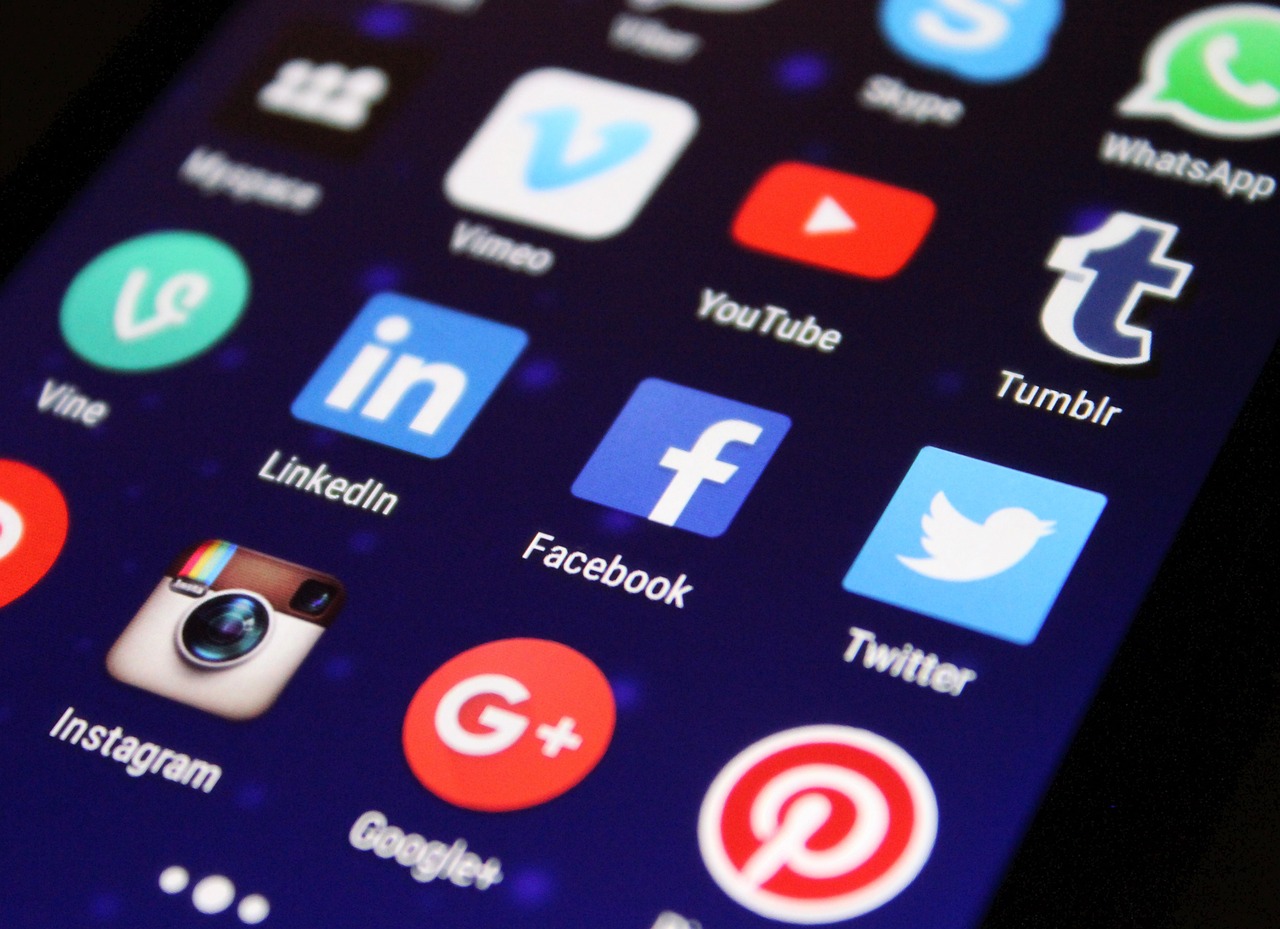
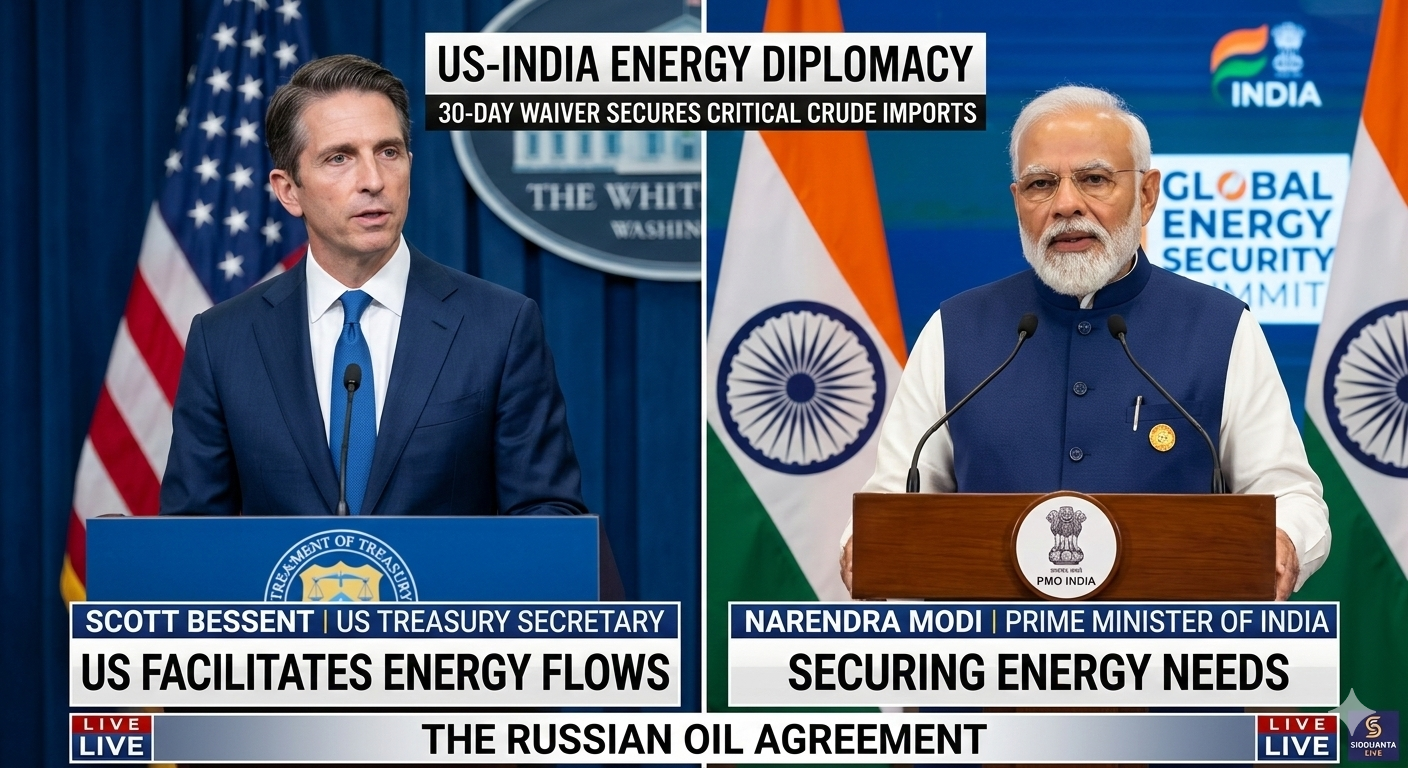
The relationship between India and the United States has always been significant in global politics, technology, and business. However, as global tensions shift and policies clash, there is growing speculation about whether the U.S. could leverage its dominance in technology to put pressure on India.
Some believe that if relations sour, the U.S. could block access to social media, cloud services, and software platforms in India.
But is this realistic? And what would the consequences be for India, the U.S., and the global digital ecosystem? Let’s explore this complex issue in depth.
U.S. Dominance in India’s Digital Market
The U.S. is home to some of the world’s largest tech giants—Google, Meta (Facebook, Instagram, WhatsApp), Microsoft, Amazon, Apple, and Netflix. India, with its 1.4 billion people and fast-growing digital economy, is one of the largest markets for these companies.
-
Google’s Android OS powers the majority of Indian smartphones.
-
Gmail, Google Drive, and Google Cloud are used by millions of businesses and individuals.
-
WhatsApp is practically India’s default messaging app.
-
Facebook and Instagram dominate India’s social media landscape.
-
Amazon Web Services (AWS) and Microsoft Azure power Indian startups, enterprises, and government digital infrastructure.
At first glance, this gives the U.S. enormous leverage. Theoretically, blocking access to these services would create massive disruptions in India’s communication, economy, and day-to-day life.
Would the U.S. Actually Block India’s Access?
Despite this possibility, the chances of the U.S. blocking India from its tech ecosystem are very low. Here’s why:
-
Economic Interests
India is a massive revenue source for U.S. companies. For example, India is one of the largest markets for Google and Meta in terms of user base. Blocking India would mean huge financial losses for these corporations. -
Strategic Influence
Tech dominance is not just about money; it’s also about soft power. By keeping Indian users dependent on U.S. platforms, America maintains cultural and strategic influence in the region. Cutting off India would mean losing this influence. -
Global Precedent
If the U.S. started cutting off countries from technology, it would set a dangerous precedent. Other nations might accelerate efforts to build independent ecosystems, reducing America’s global tech dominance in the long run.
The Myth of Indian Dependence
Many believe that if Google, Meta, or Microsoft pulled out of India, the country would collapse digitally. But this is a myth.
Yes, the short-term disruption would be massive. Phones running on Android would lose key services. Businesses relying on Google Workspace or AWS would face operational challenges. Social media communication would be disrupted.
But in the long run, India would bounce back possibly stronger than before.
Why India Can Build Its Own Alternatives
India is not just a consumer market, it is also a producer of world-class talent. In fact, some of the top global technology companies are led by Indian CEOs:
-
Sundar Pichai (Google)
-
Satya Nadella (Microsoft)
-
Arvind Krishna (IBM)
-
Shantanu Narayen (Adobe)
Moreover, a huge percentage of software engineers in Silicon Valley are of Indian origin. This shows that India already has the capability to innovate, build, and lead in technology.
Key Strengths of India in Technology
-
Massive IT Talent Pool – India produces over a million engineering graduates each year.
-
Thriving Startup Ecosystem – India is the world’s third-largest startup hub, with companies like Zomato, Flipkart, Paytm, and Byju’s making global waves.
-
Government Push – Initiatives like Digital India, Startup India, and Make in India encourage local innovation and self-reliance.
-
Proven Track Record – India has already built world-class platforms like UPI (Unified Payments Interface), which has become a model for digital payments globally.
What If U.S. Companies Exit India?
If relations worsen and U.S. companies reduce their footprint in India, several things could happen:
-
Rise of Indian Alternatives
Just as China built its own ecosystem with WeChat, Baidu, and Alibaba, India could rapidly develop homegrown platforms for messaging, search, cloud, and e-commerce. -
Boost to Indian Startups
The absence of U.S. tech giants would give Indian startups room to grow. Currently, global giants dominate market share, leaving little space for local players. -
Faster Adoption of Open-Source Systems
India could shift towards open-source operating systems, independent cloud infrastructure, and decentralized social networks, reducing reliance on any one country. -
Strengthened Digital Sovereignty
A forced exit would accelerate India’s journey towards digital sovereignty, ensuring that critical technology infrastructure is built and controlled within the country.
India’s Hidden Advantage: The Audience
While U.S. companies may have the technology, India has the audience. With the world’s largest youth population and rapidly increasing internet penetration, India is the ultimate market for any digital platform.
Even if U.S. companies wanted to pull out, their shareholders would resist, because losing India means losing one of the fastest-growing digital economies.
The Future is Indian
The idea that the U.S. could cripple India by blocking software and social media access is an overestimation of American power and an underestimation of Indian capability.
-
In the short term, disruption would be painful.
-
In the long term, it would open the doors for Indian engineers, startups, and innovators to build world-class alternatives.
-
India has the talent, the audience, and the drive to become self-reliant in technology.
Ultimately, the U.S. is unlikely to take such drastic steps because the mutual benefits of cooperation outweigh the risks of conflict. But even if it did, India is not a country that would “knee down.” Instead, it would stand up stronger, more independent, and more innovative than ever before.
Read Also:
Opinion | Supreme Court’s Stray Dog Order: Time to Put Human Safety First, Not Hypocrisy
E20 Fuelling the Debate: Why E20 Ethanol is Stirring Up India’s Auto Market